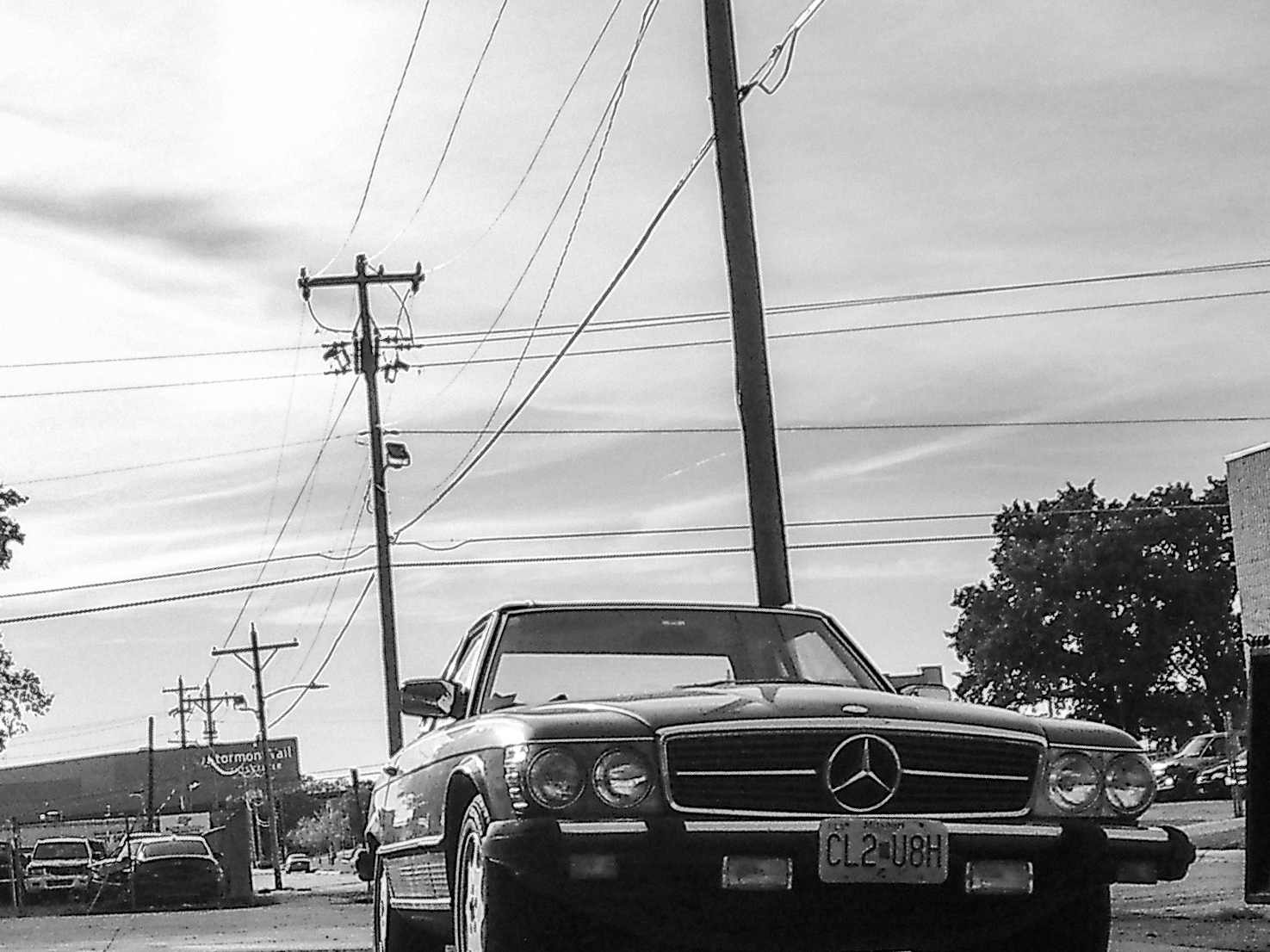
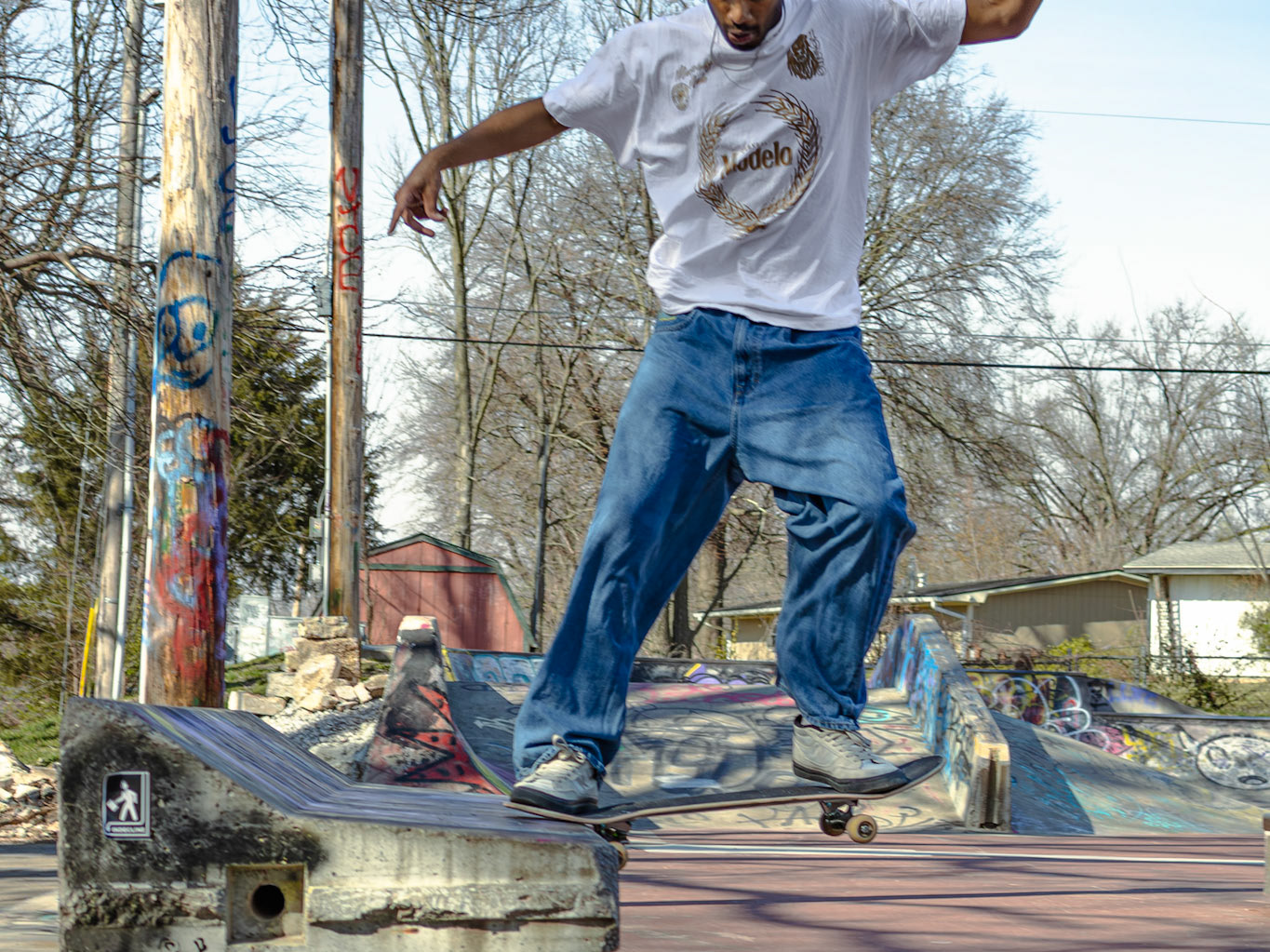
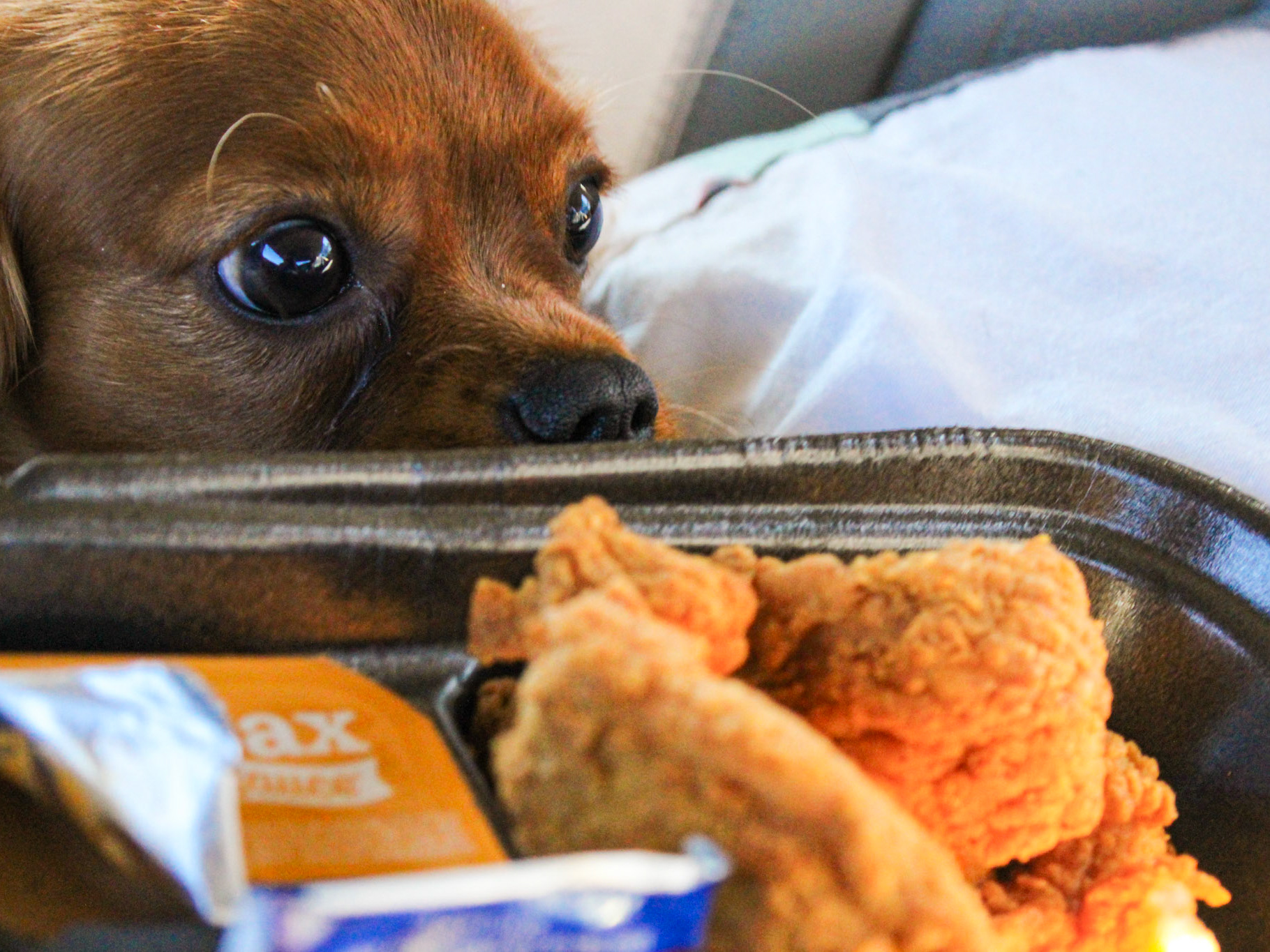
This is a class at Washburn University that focuses on learning tools and workflow within Adobe Photoshop. We covered a range of projects involving basic and non-destructive editing, compositing, and thinking about digital as a medium and how the use of A.I. can be beneficial or harmful depending on context and use.
EDITS IN CAMERA RAW
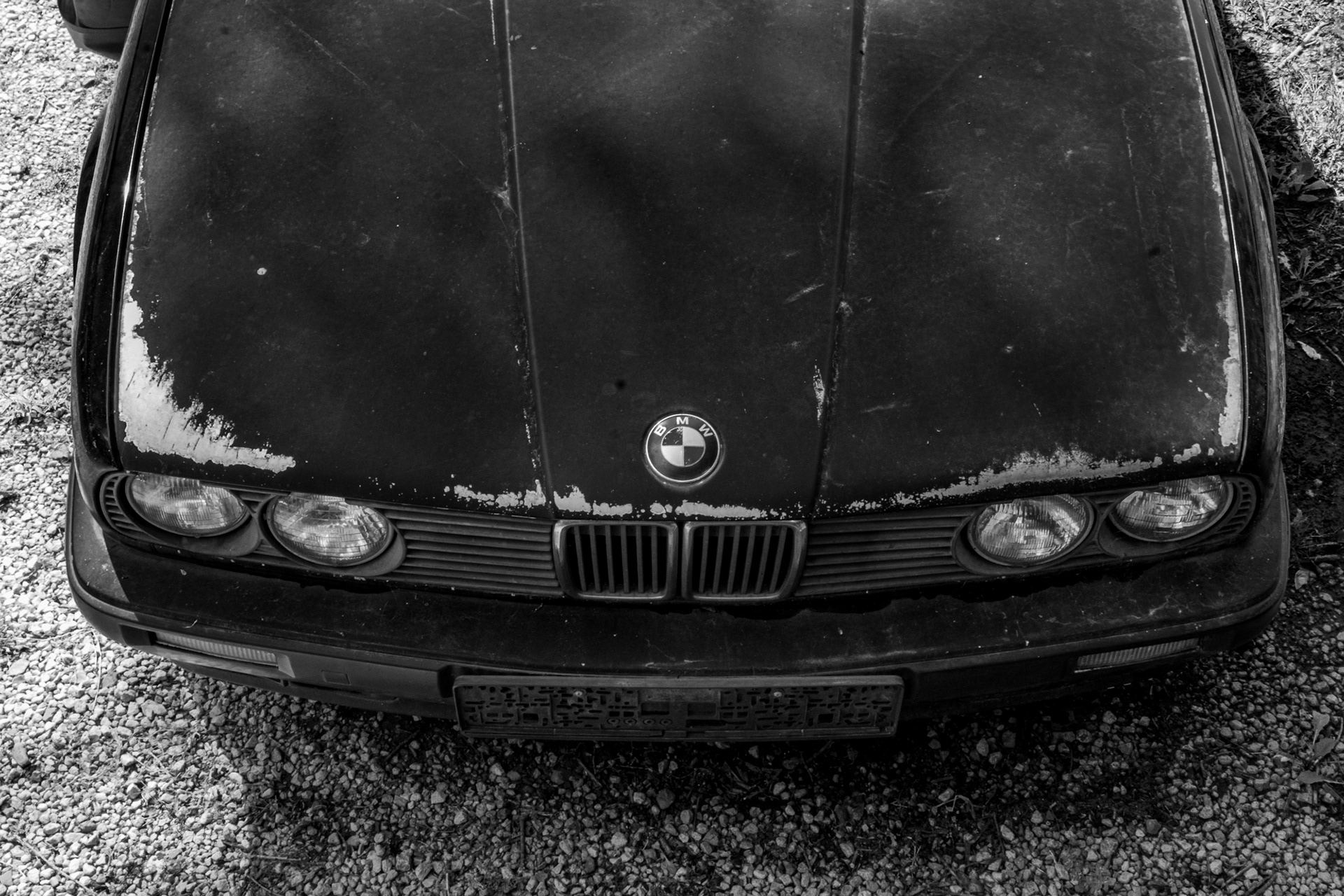
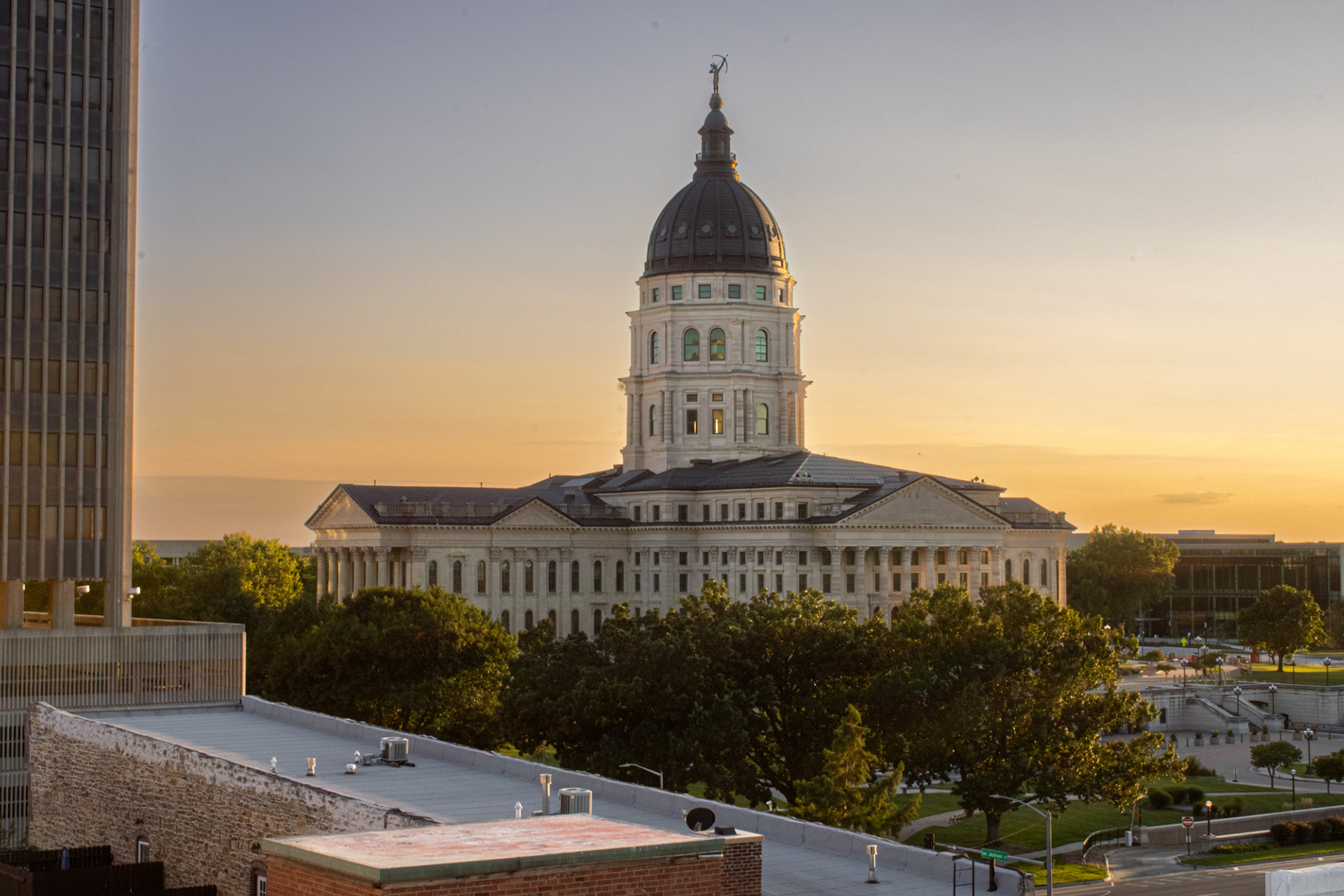
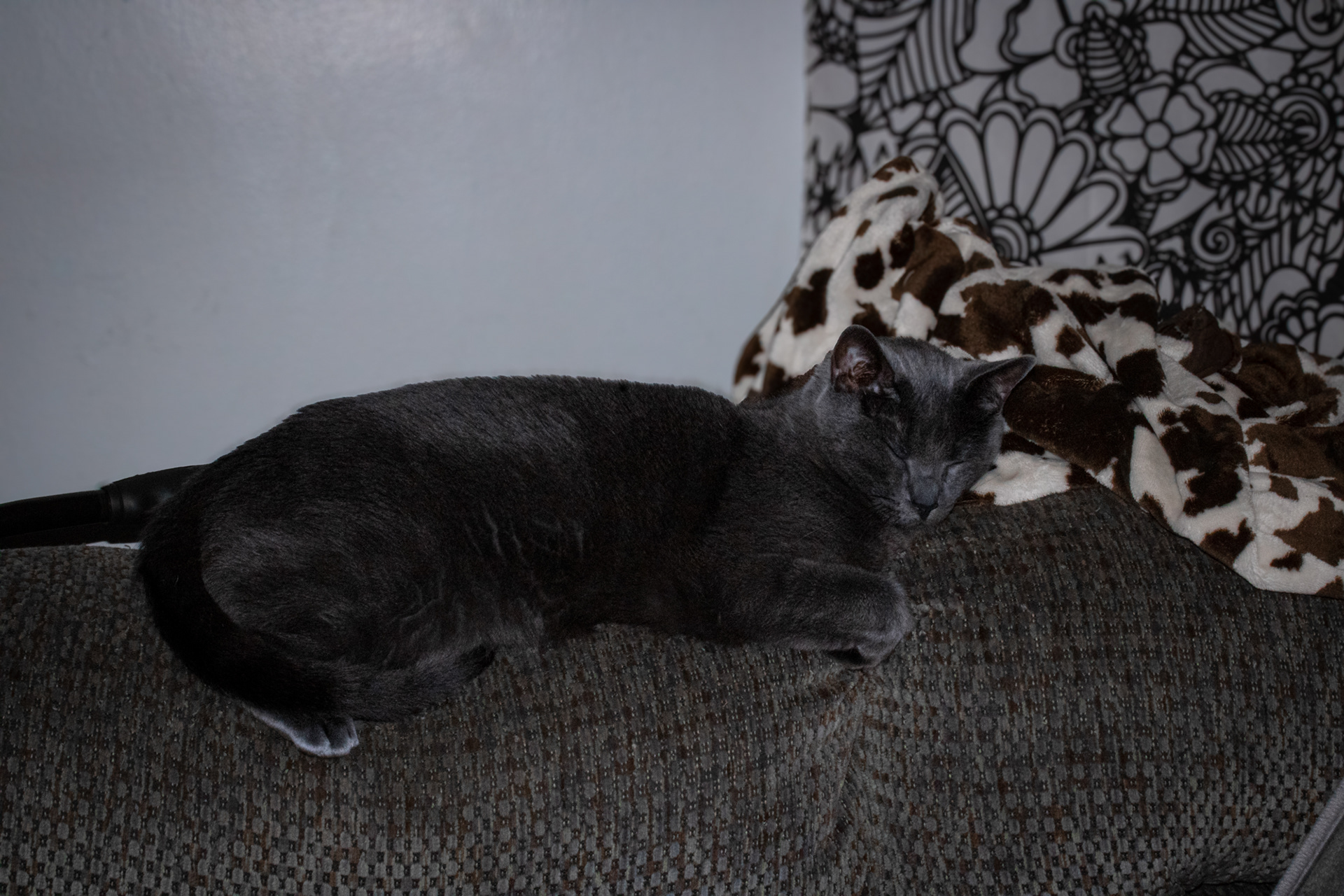
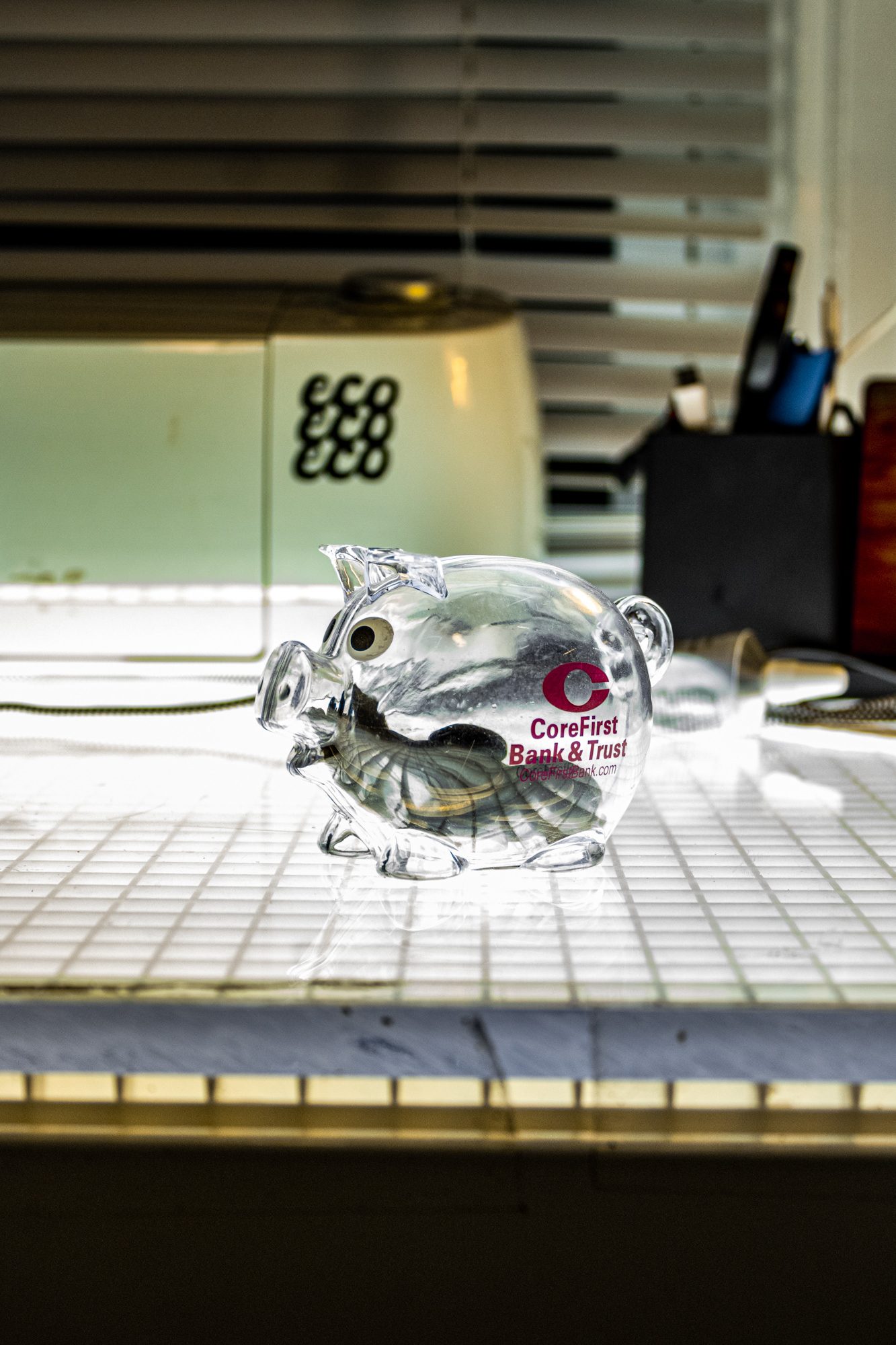
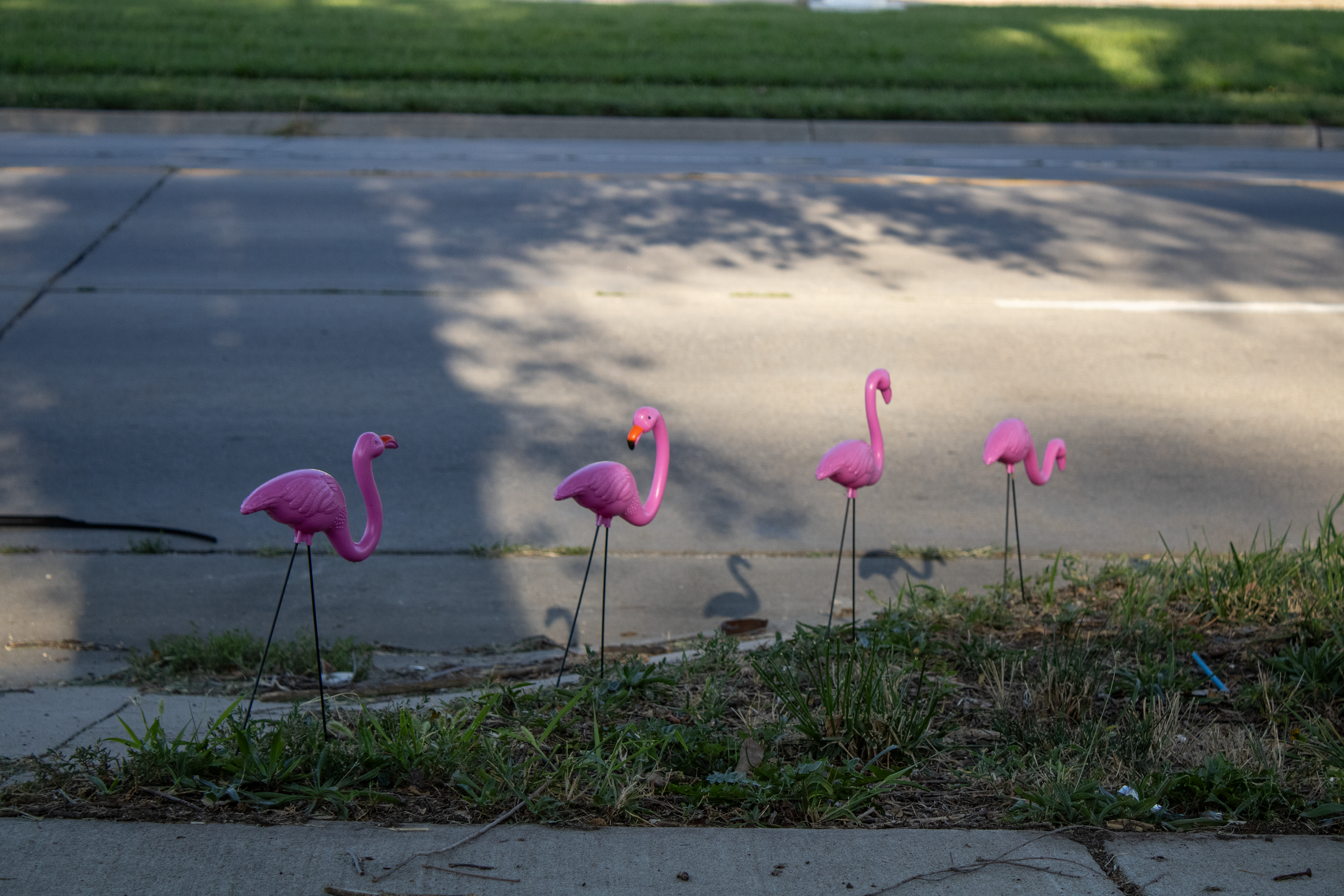
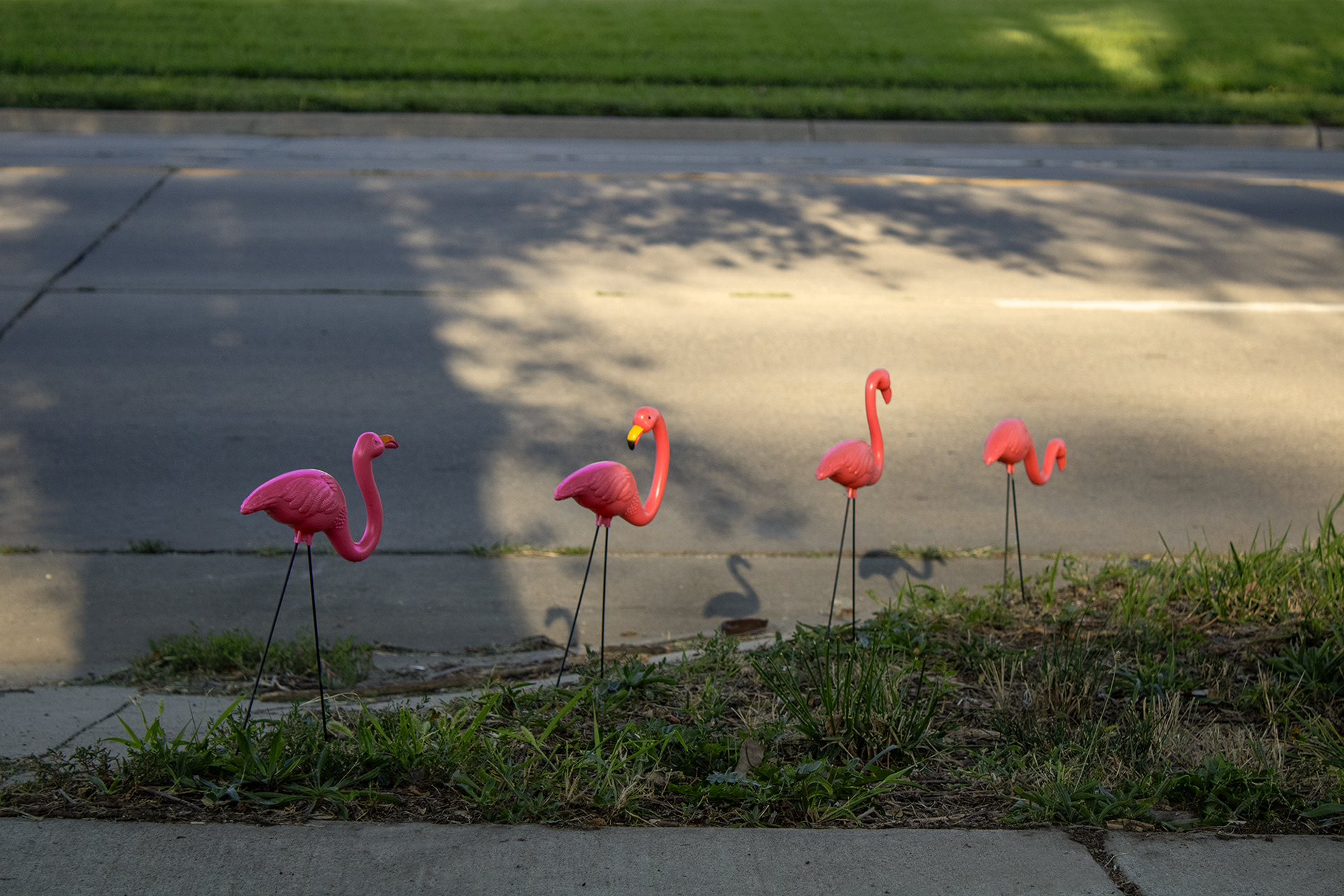
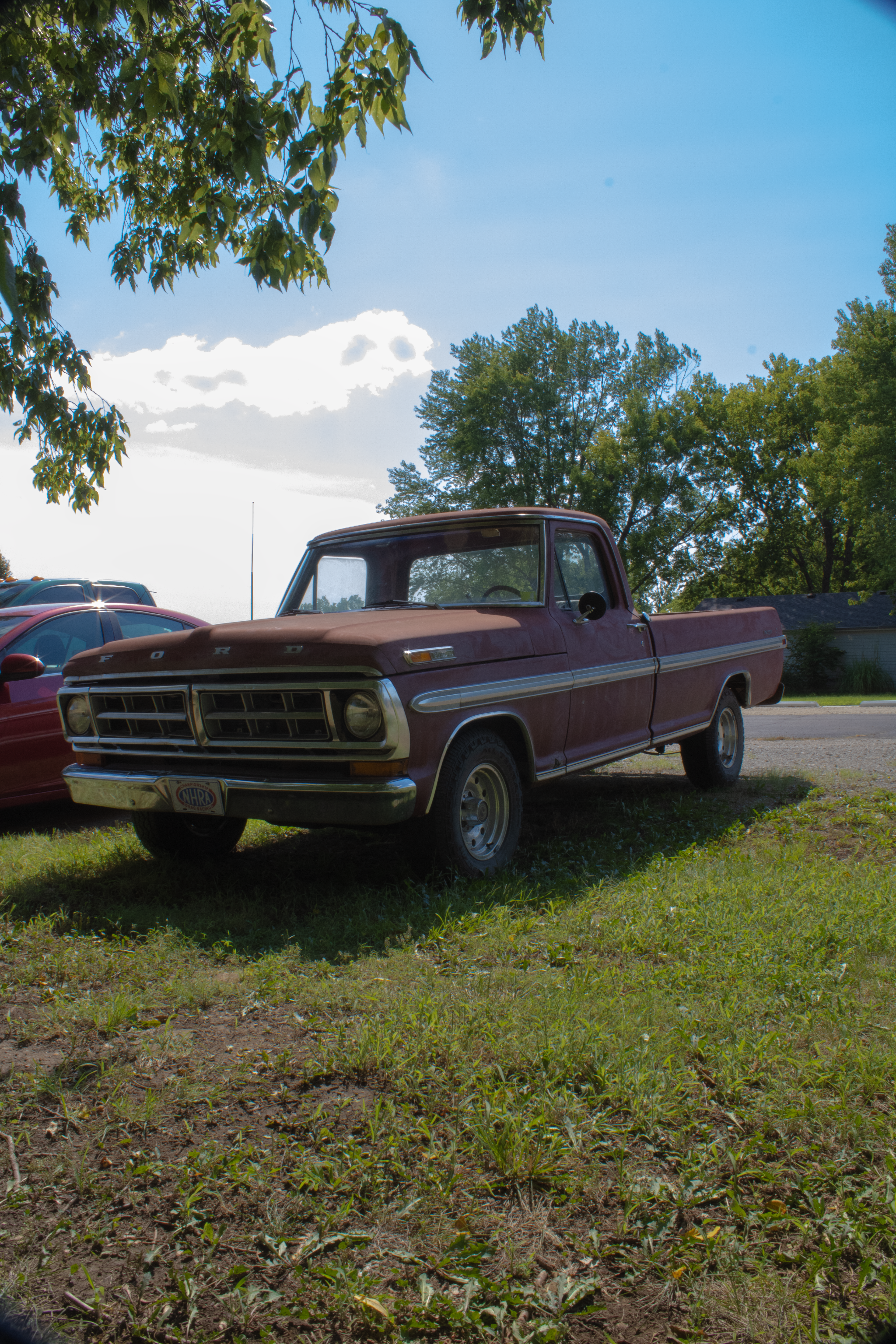
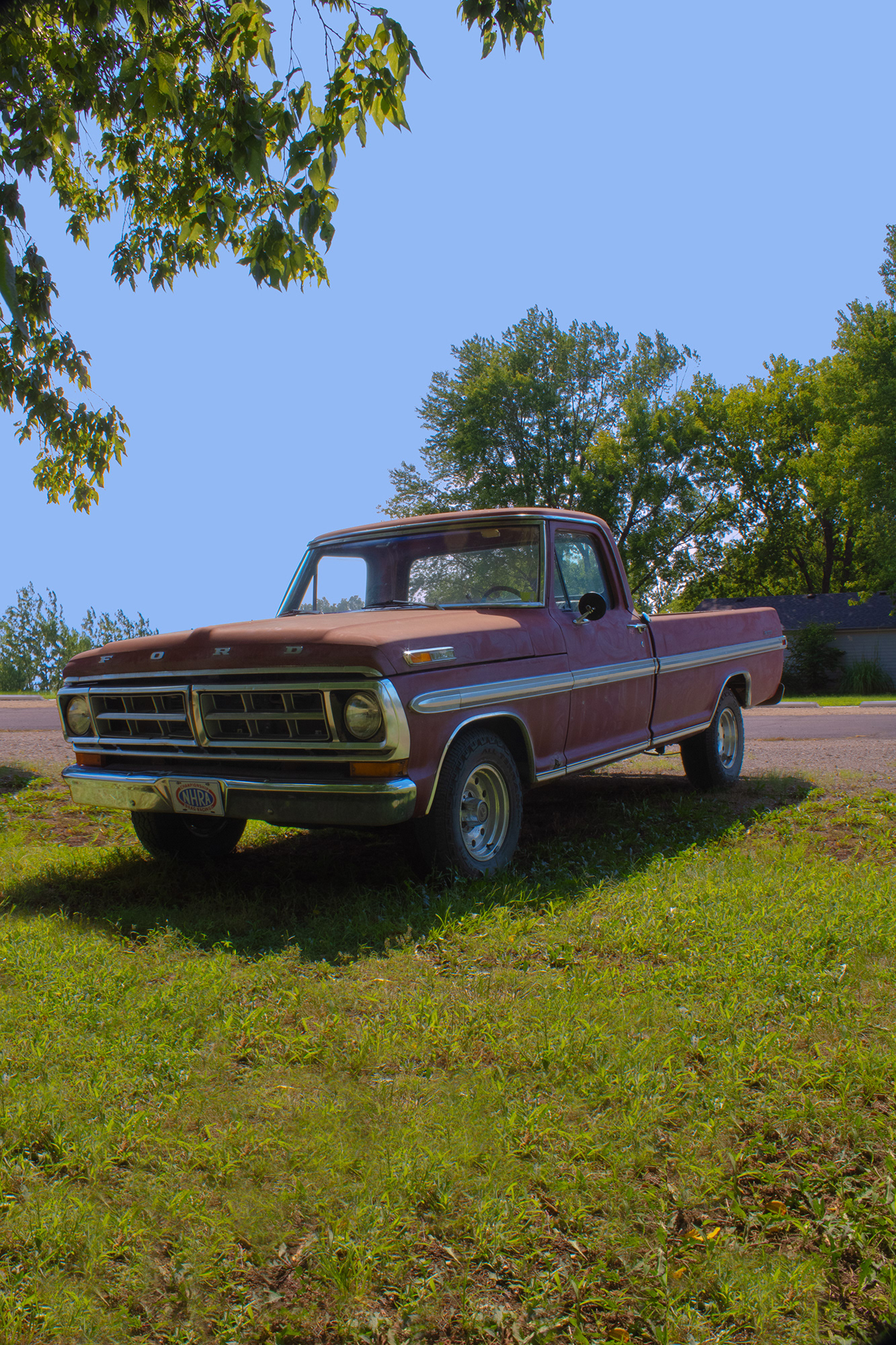
To start the semester, we worked on basic photo editing and correcting with the Camera Raw function in Photoshop. This involved going out to take pictures of all varieties and purposely taking a few bad photos to correct.
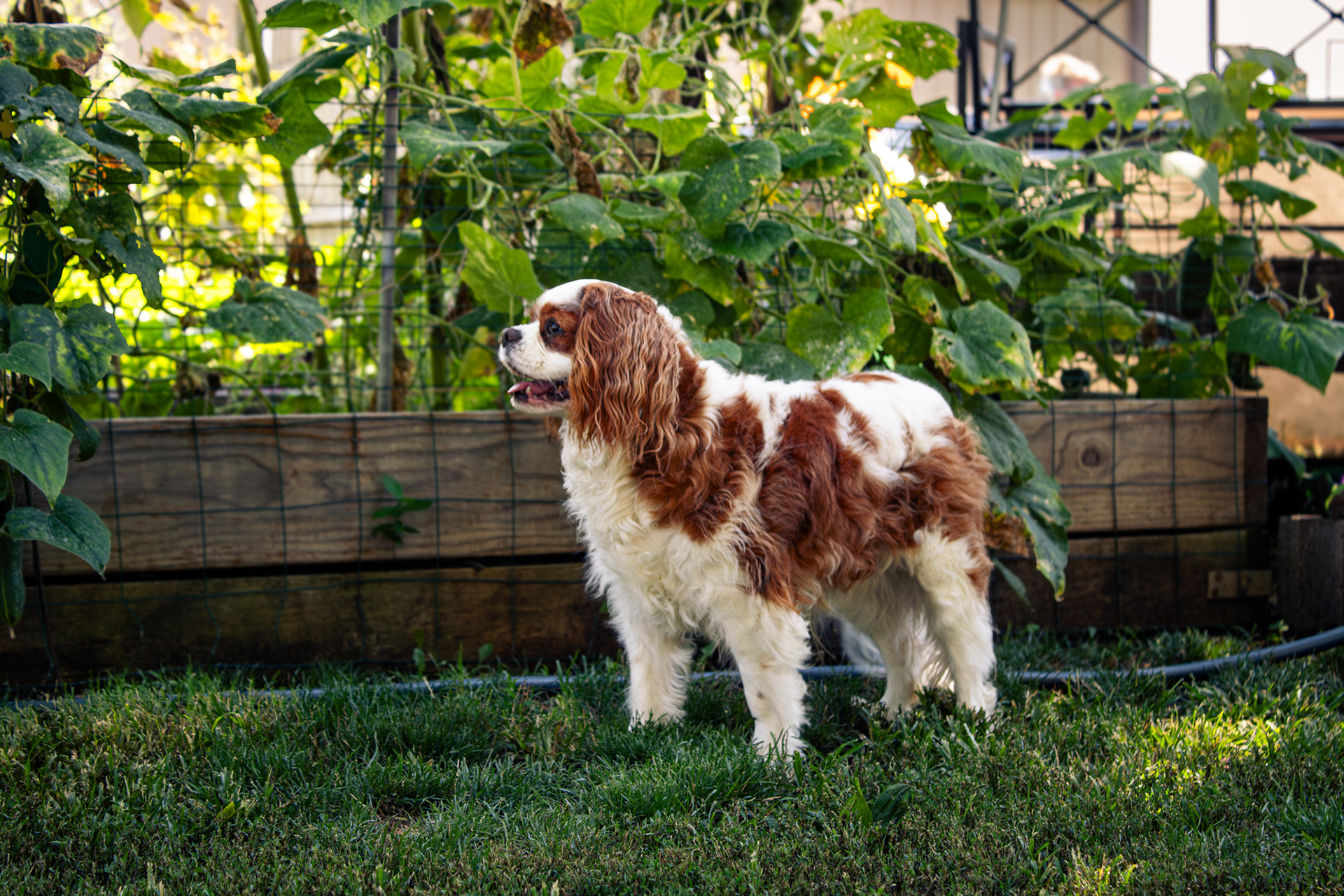
ADJUSTMENT LAYERS
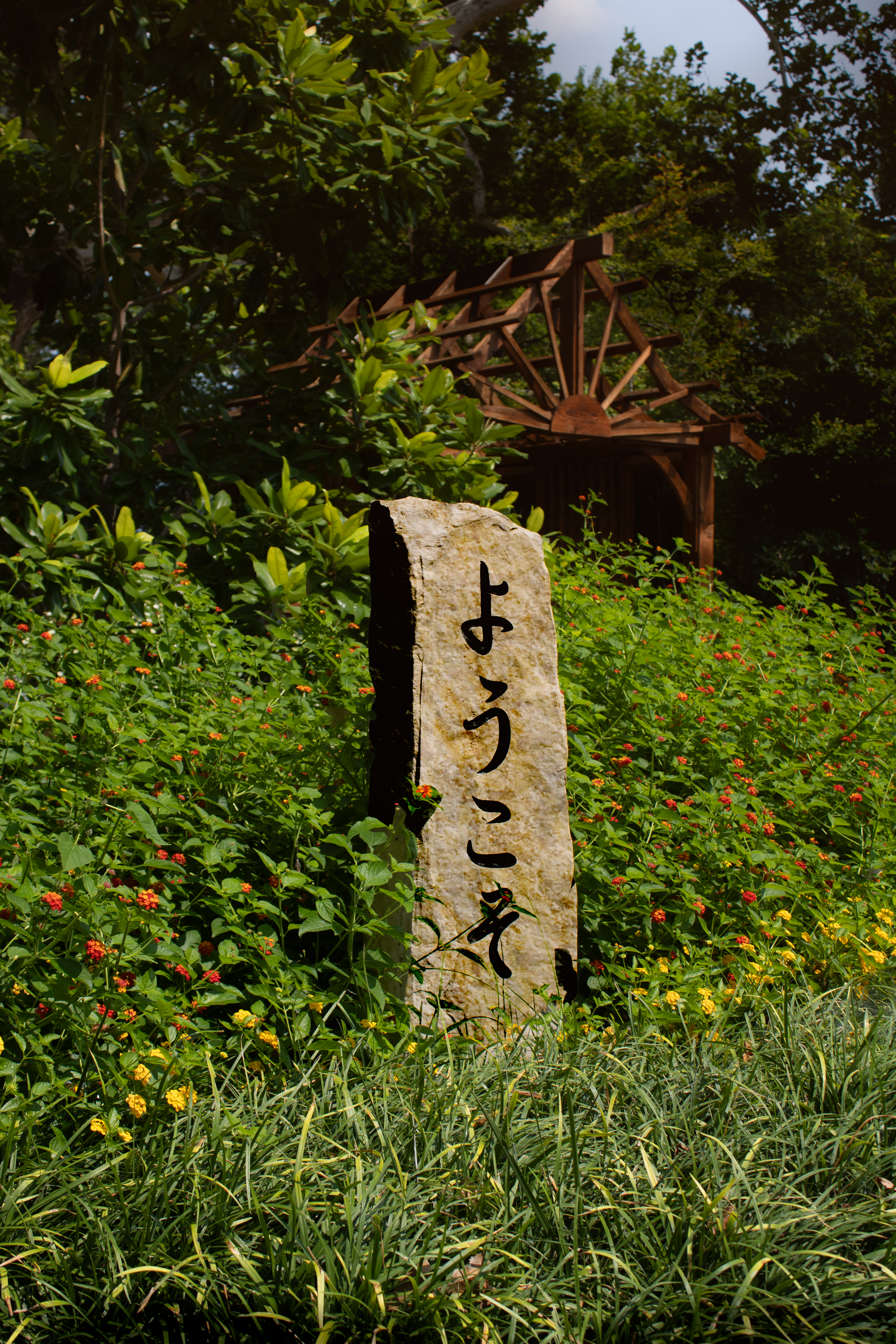
This exercise involved using layer organization and masking to produce edited final images. I have added the images with and without Camera Raw adjustments to highlight the edits.
COMPOSITING AND CLIPPING MASKS
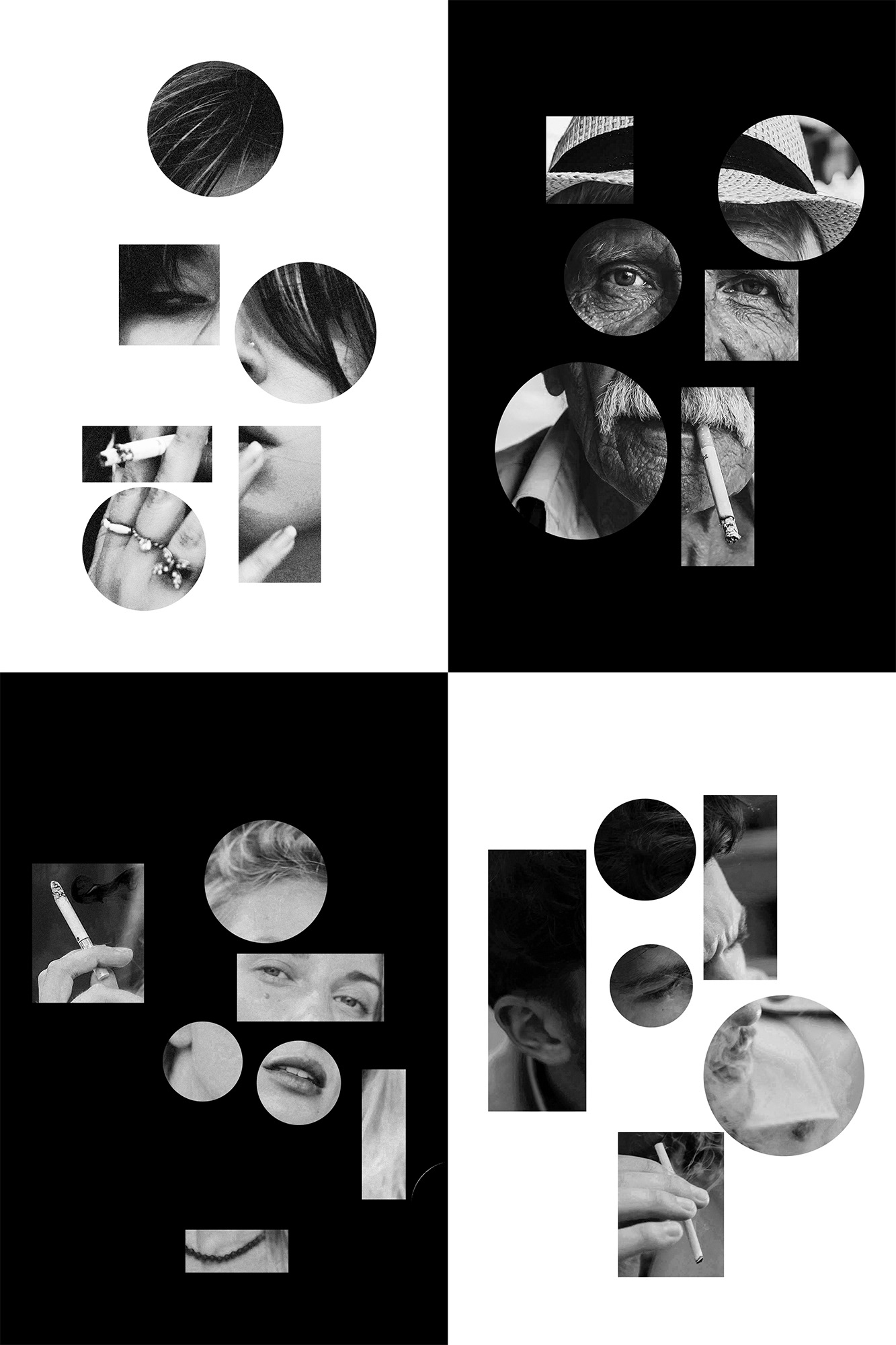
This exercise was to take at least three pieces of material and create one composited image and one clipping mask image from them. We could choose stylistically to make it look realistic or collaged.
TABLEAUS
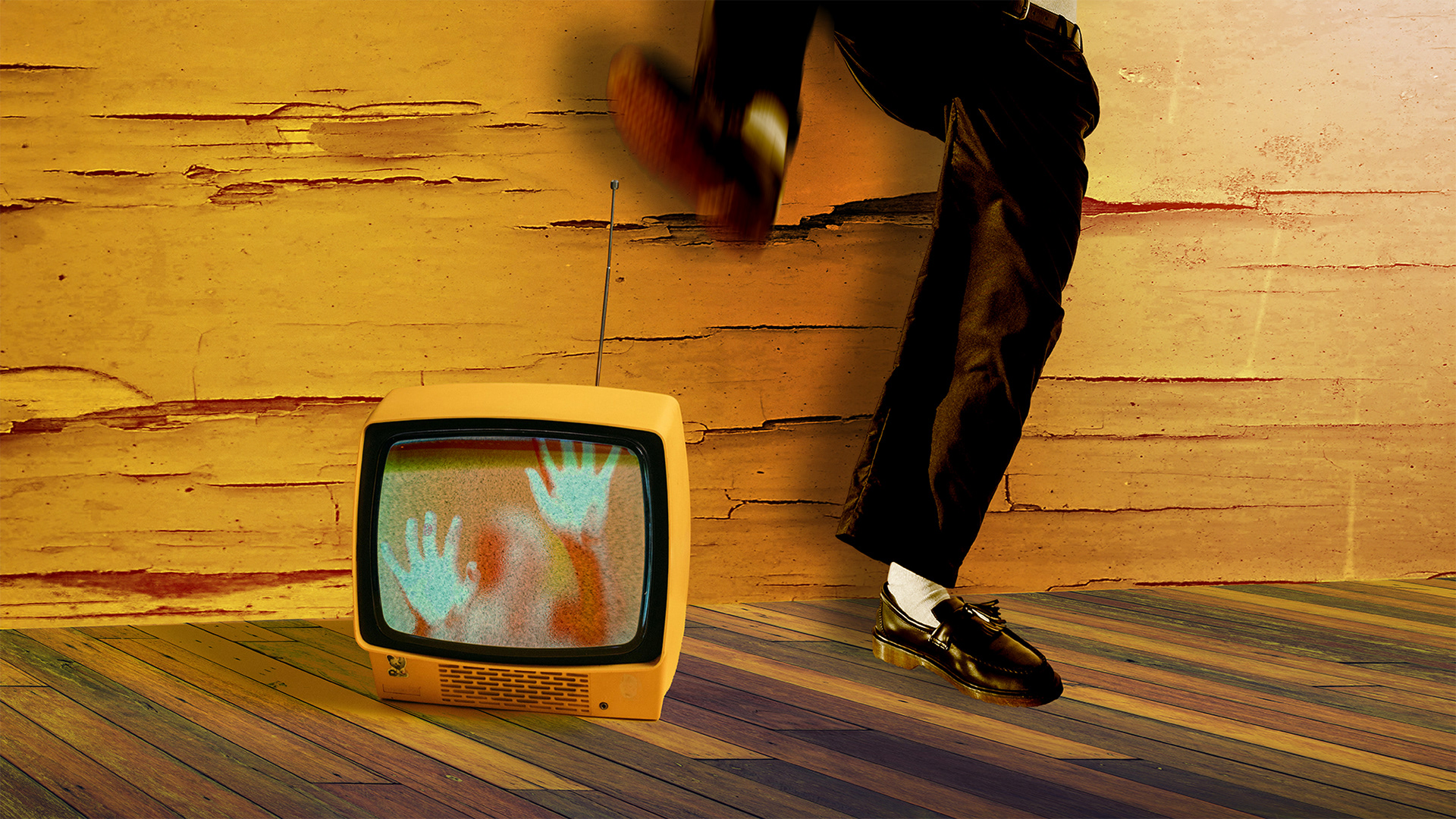
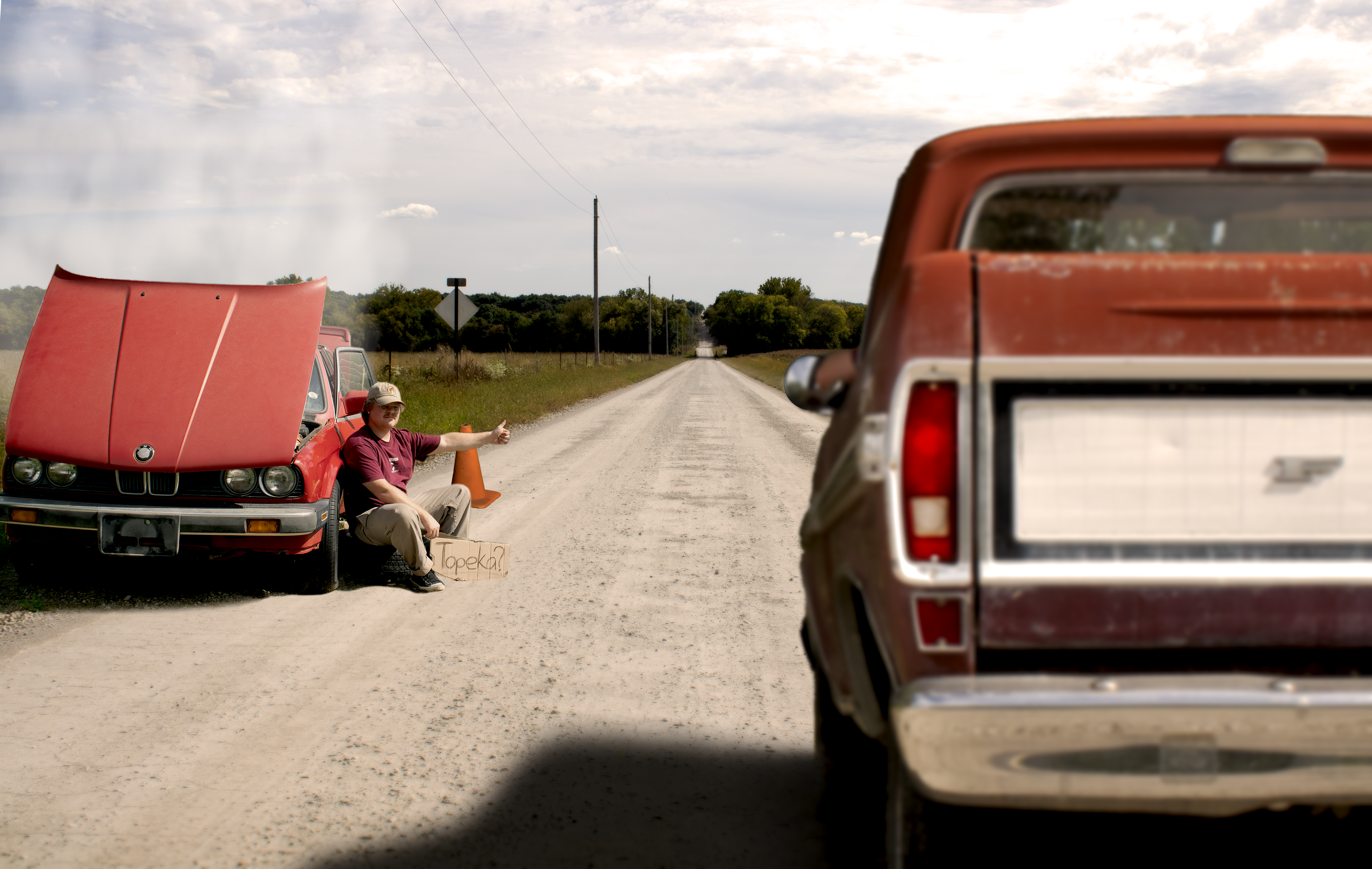
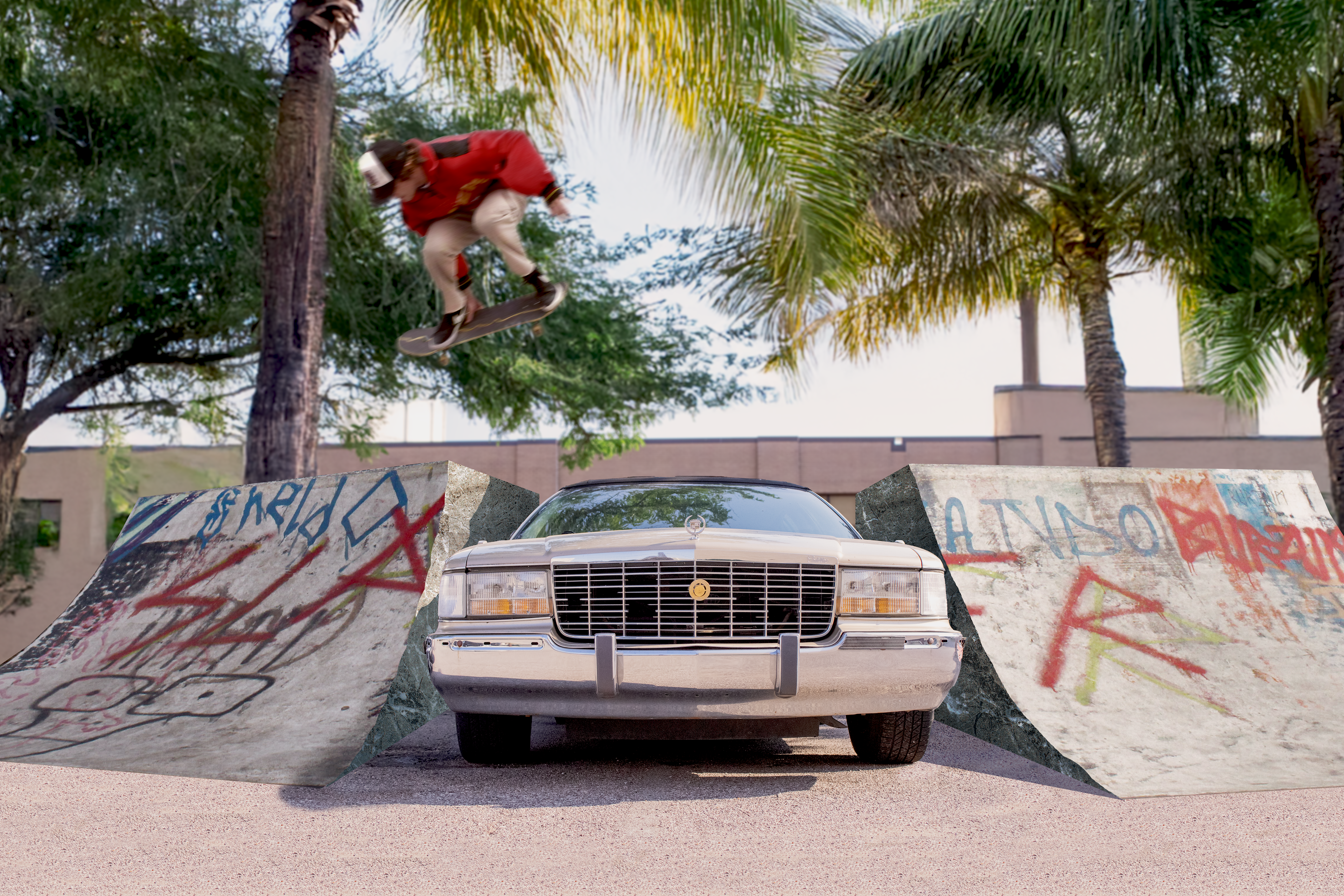
This was the first major compositing project we were tasked with. The goal was to tell a story within a photo by manipulating multiple images into one.
SPECULATIVE HISTORIES / IMAGINED FUTURES
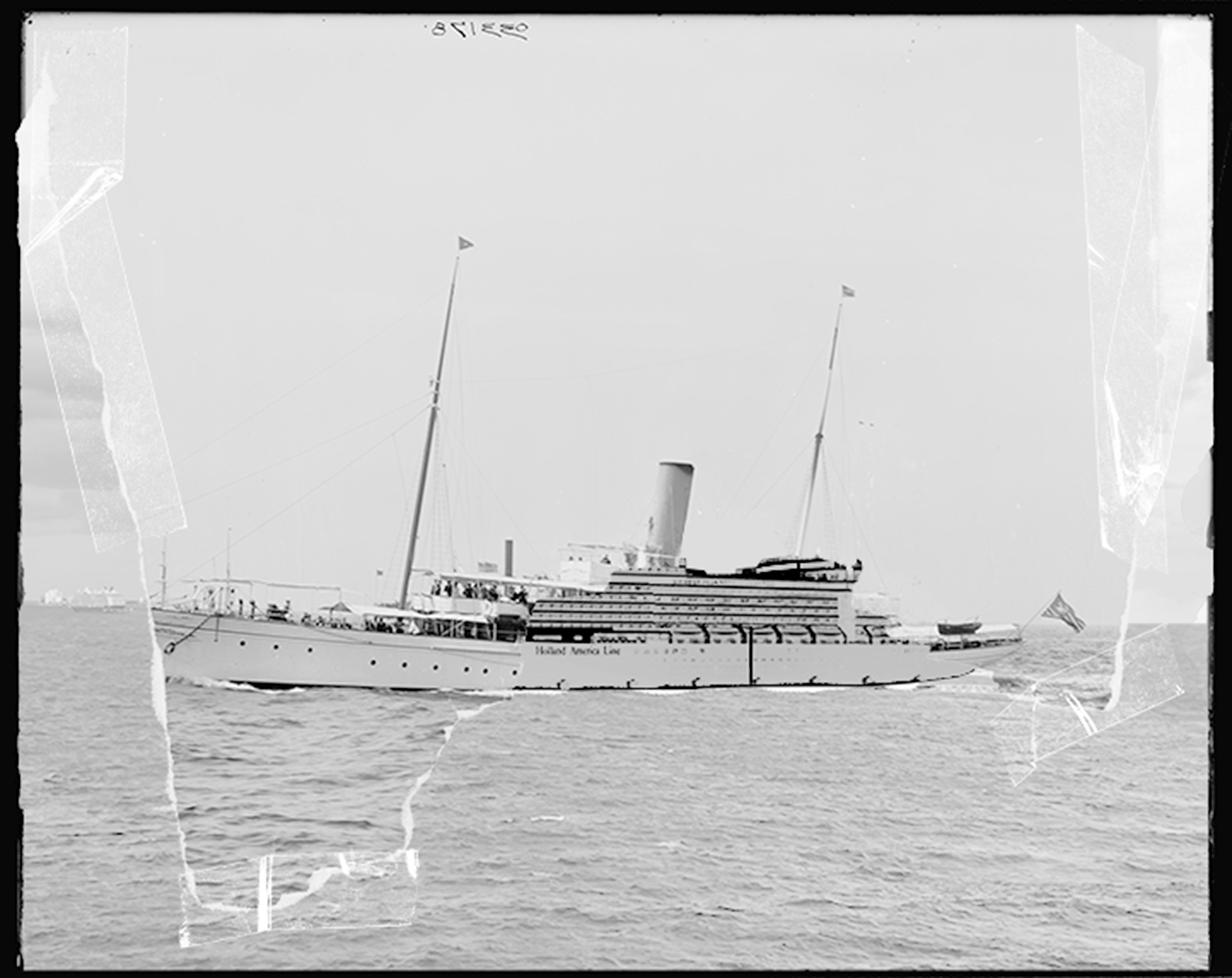
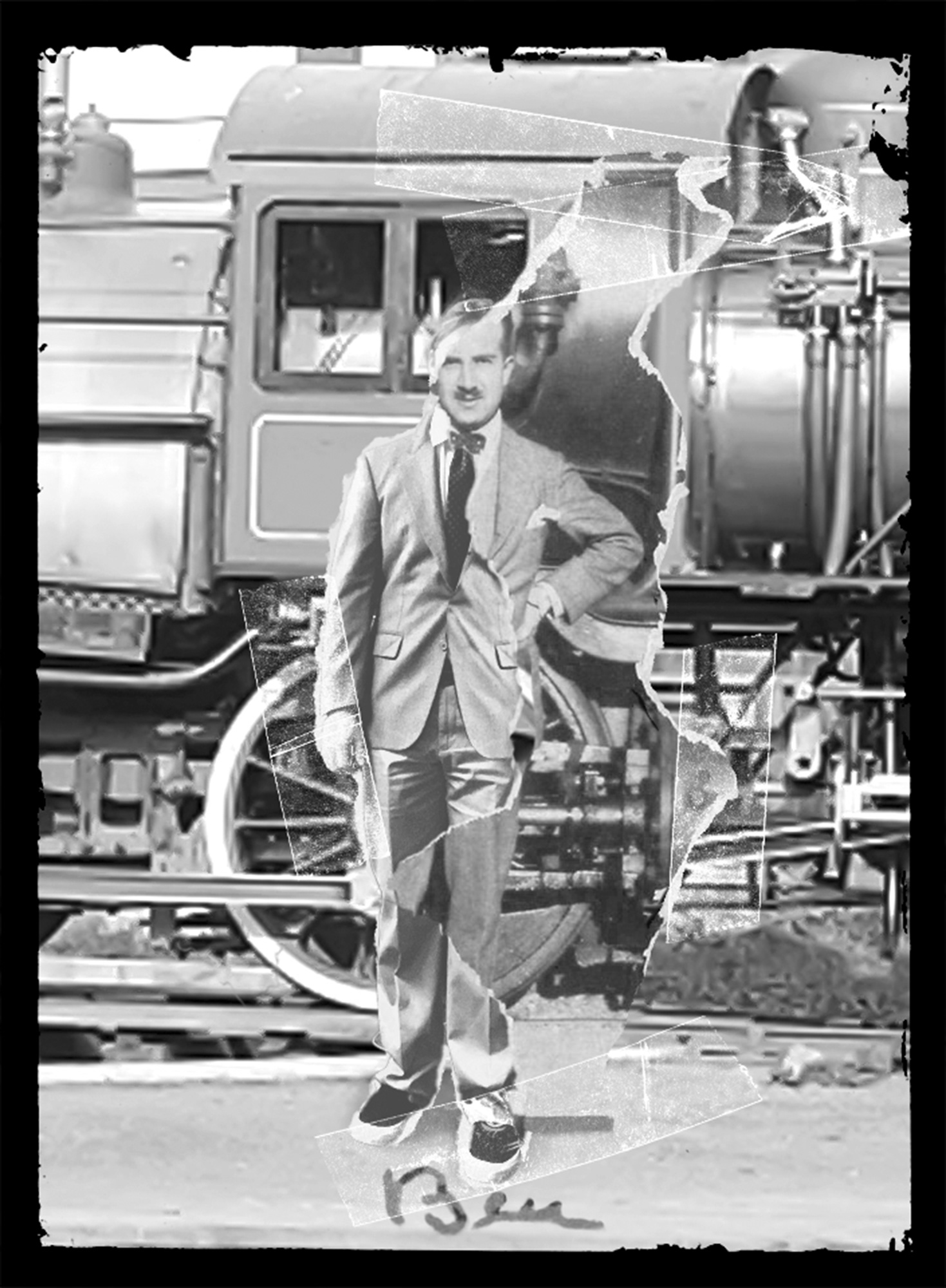
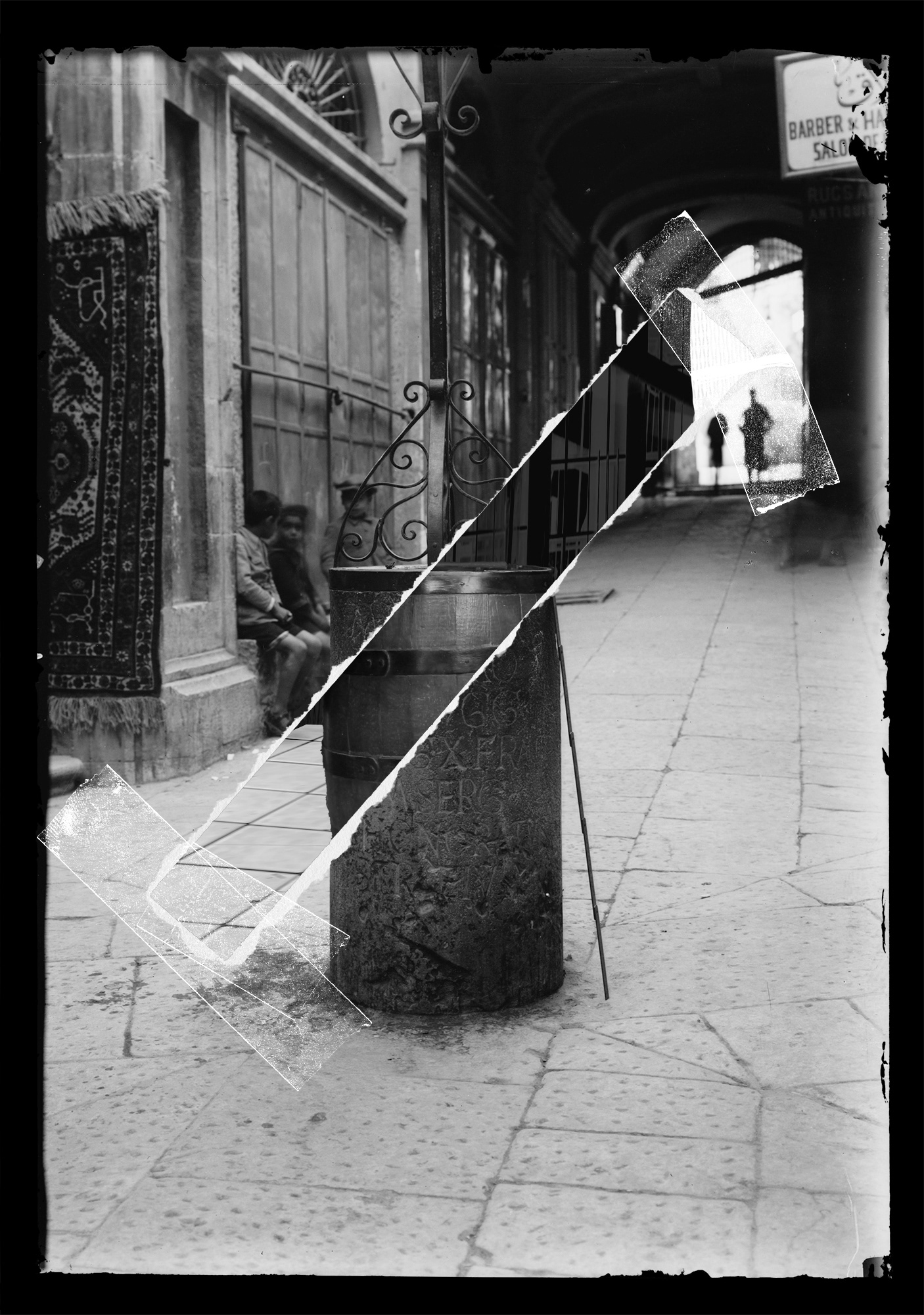
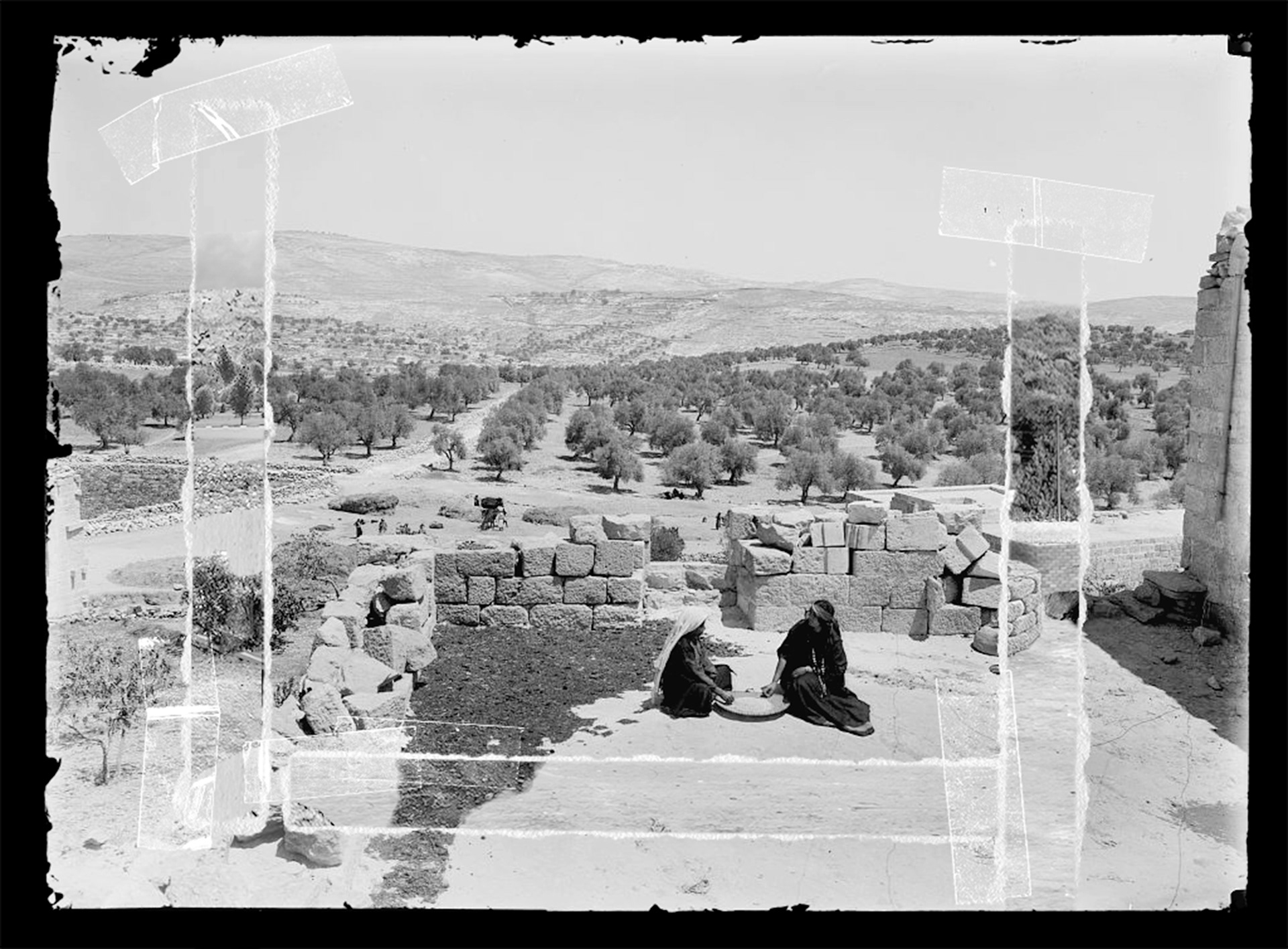
This was likely my most ambitious project of the semester. We were tasked to use a blend of archived images and our own images to create four images that create speculative histories, or imagine the future. A part of this assignment was to think of how generative A.I. is in a way an archive itself, as it uses large image databases to operate; and to think of the biases, attitudes, and blind spots within these databases. My work here involves using images from archives that are incomplete or damaged, and using my own camera roll from my iPhone to fill in or "complete" the photos. The idea was to produce images that initially fool the eye, but upon closer inspection are not as seamless as they seem. The idea is similar in a way to how A.I. would fix these images, but in a more primitive style. Just as A.I. would use the resources available to it and make its best guess on how to fill in the gaps, I did just that by using pieces of images I have taken and composited them in a way to fool the eye. The seams are shown through torn paper and tape, as a nod to pre-digital editing.
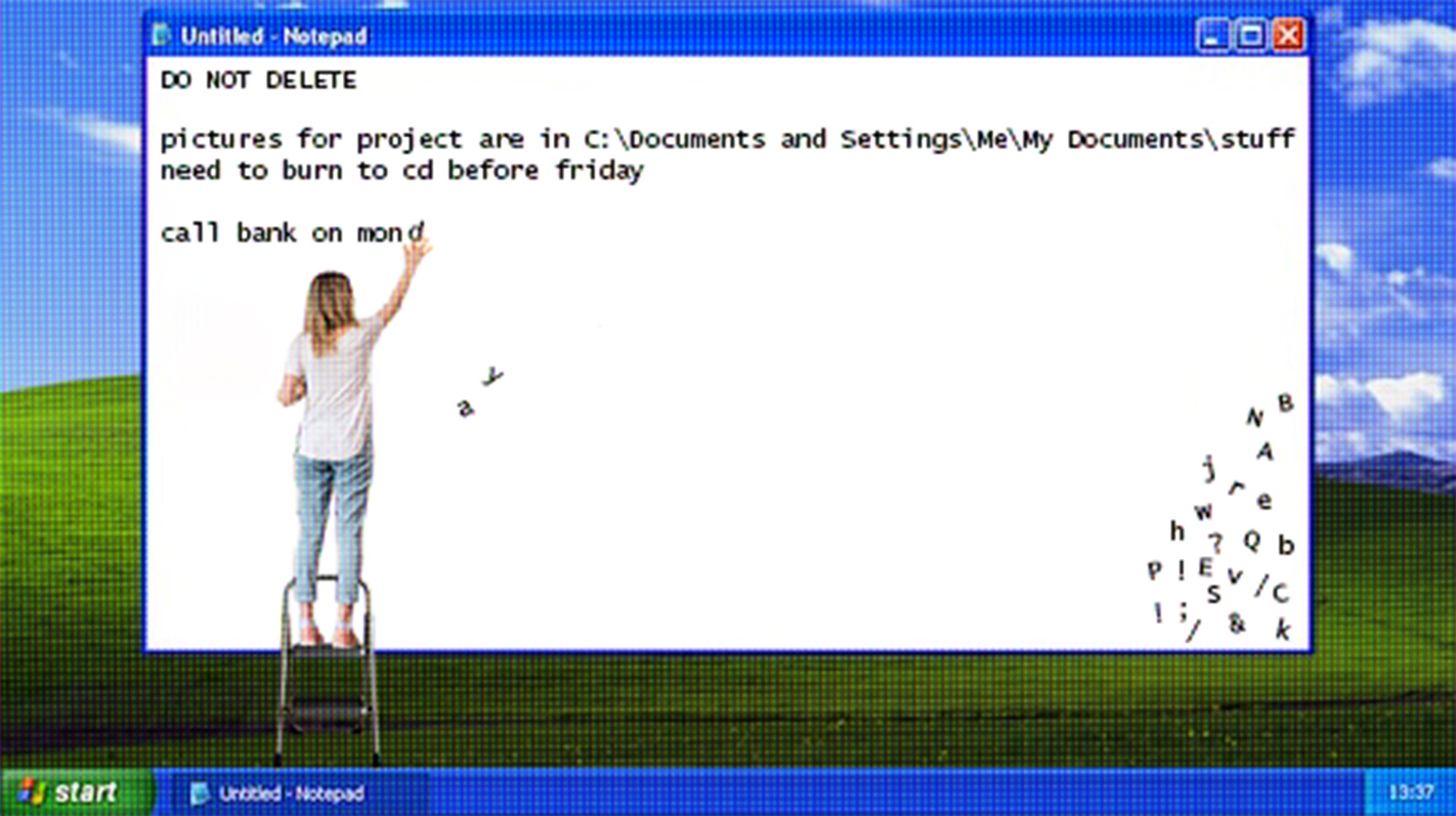
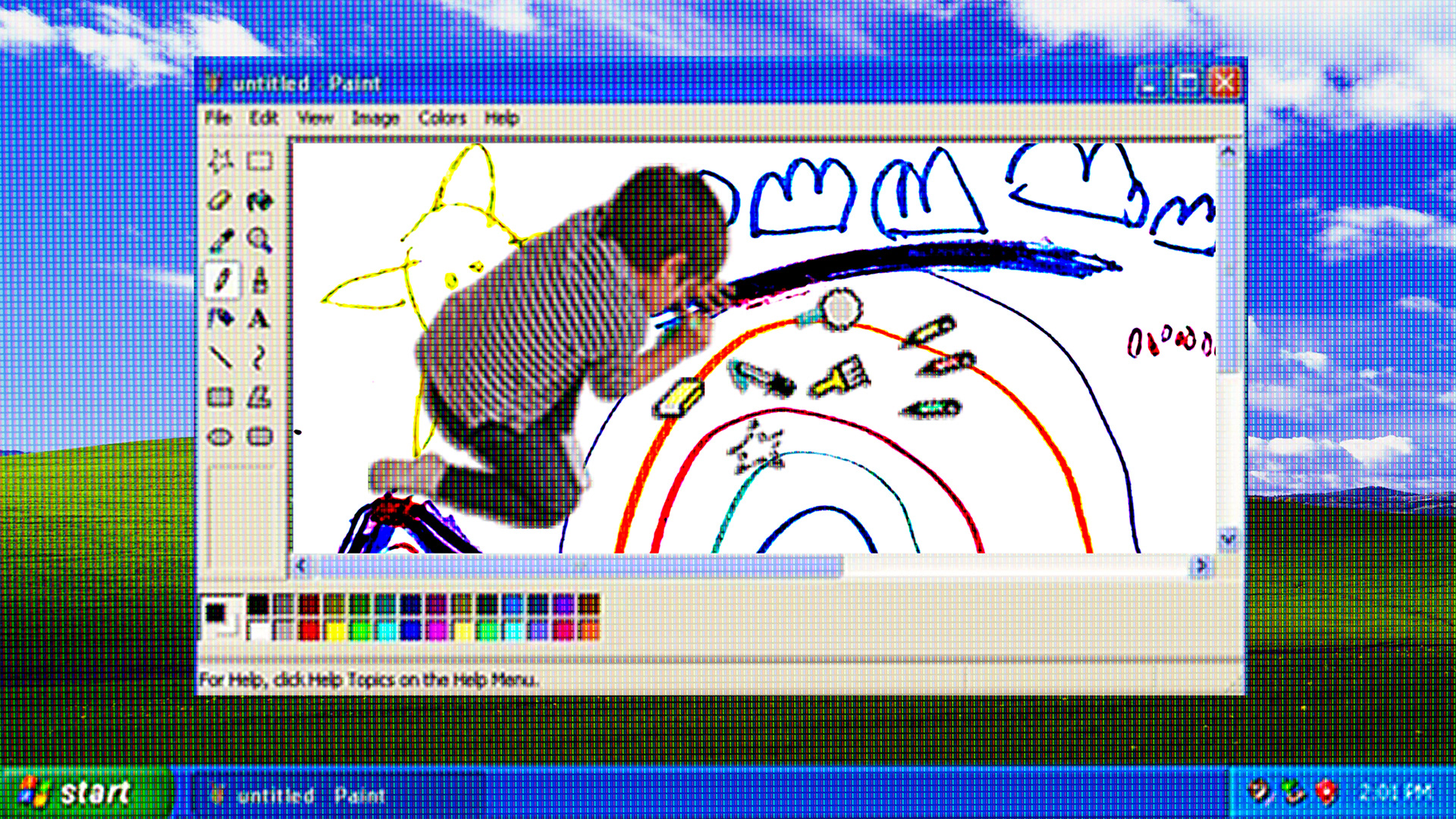
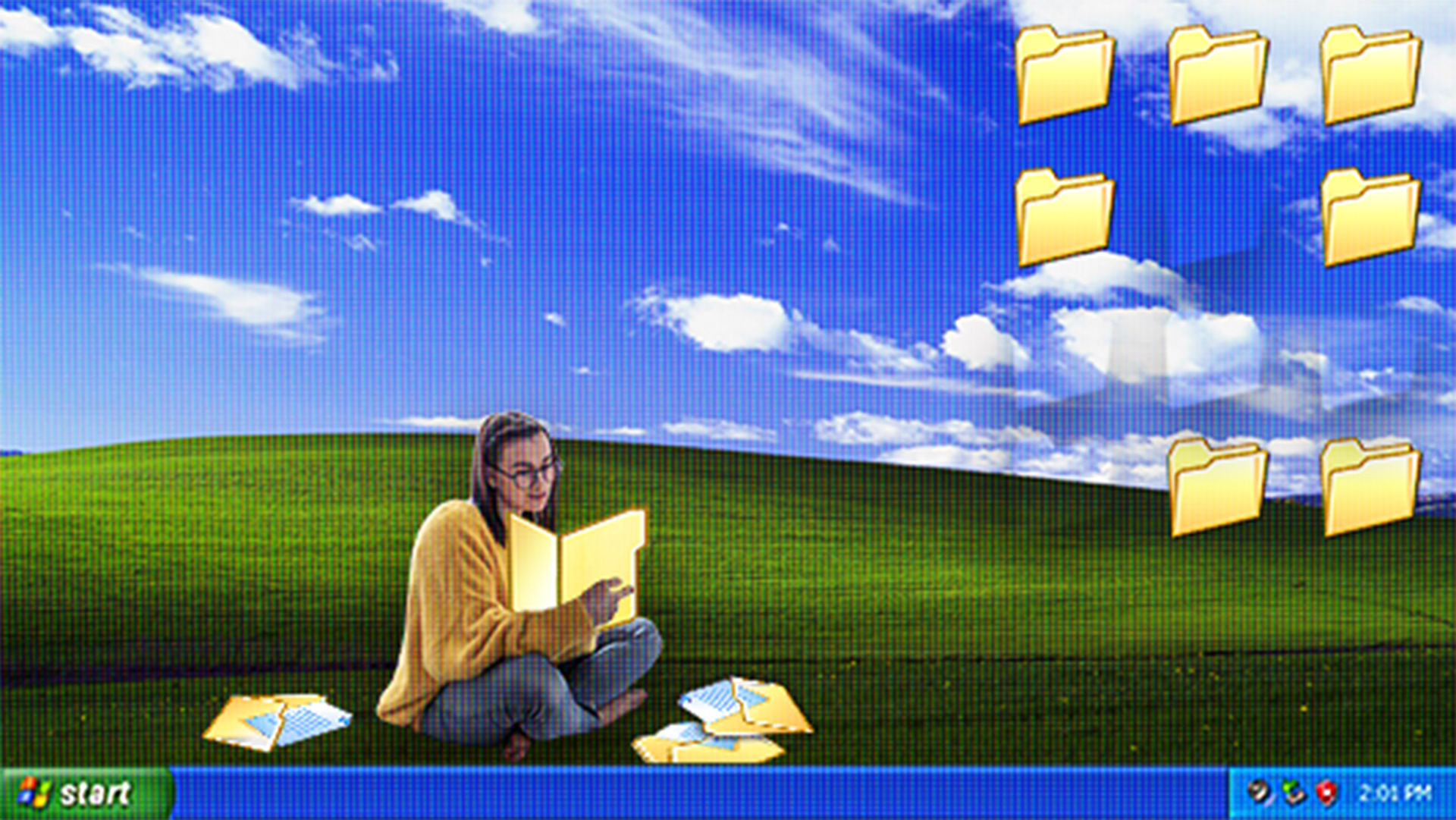
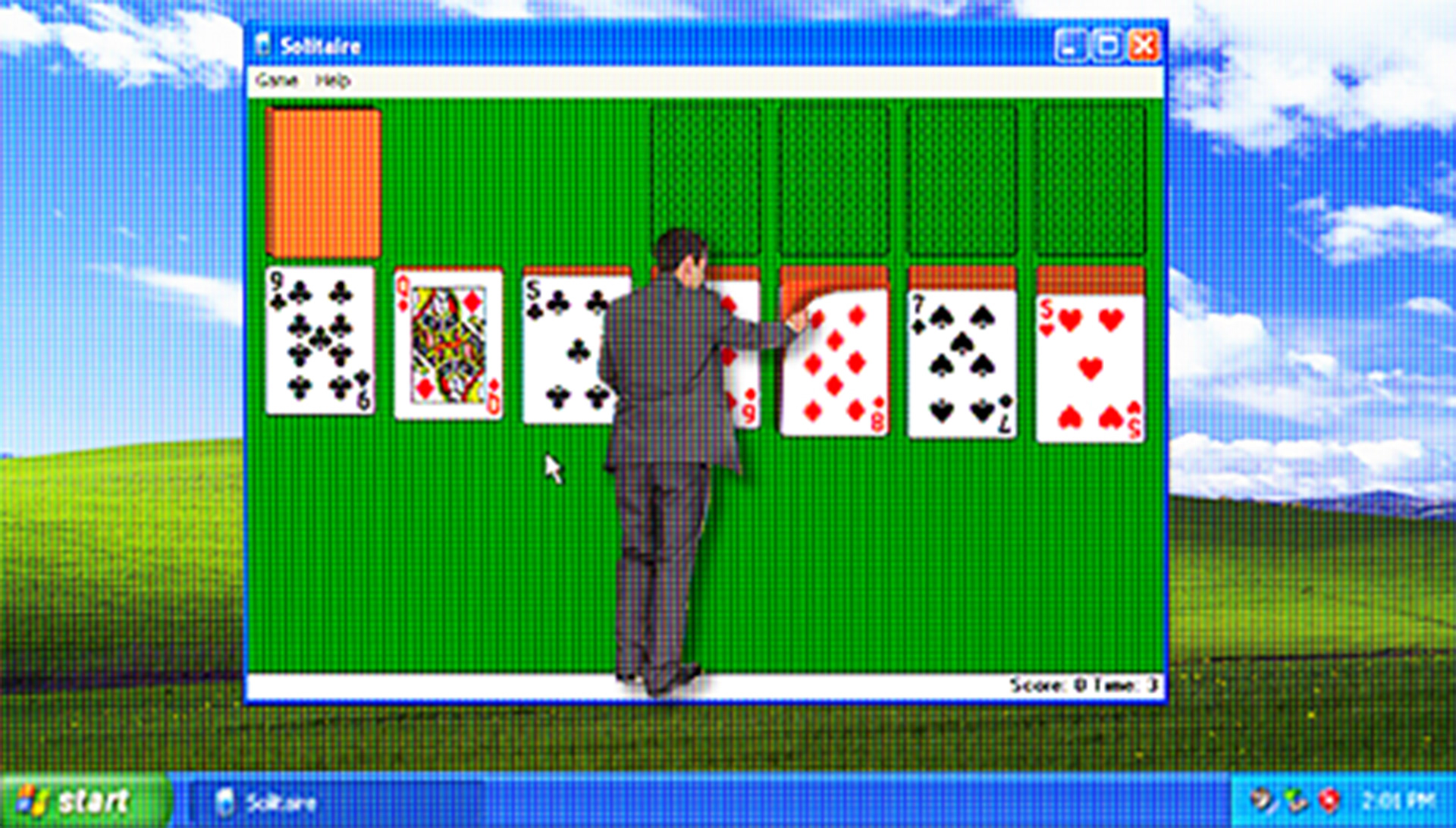
DIGITAL MEDIUM PROJECT (LIVING IN THE DESKTOP)
“Living in the Desktop” is a collection of images that utilize older Windows digital assets as environments for real-world subjects. The digital world is increasingly connected, particularly today, and I sought to create a space where each subject has its own secluded area. By blending pixel grids, glitches, compression artifacts, and real-world subjects, the work emphasizes the interplay between physical experience and digital design.